
News & articles
from Centrepoint and beyond
Planning your Funeral
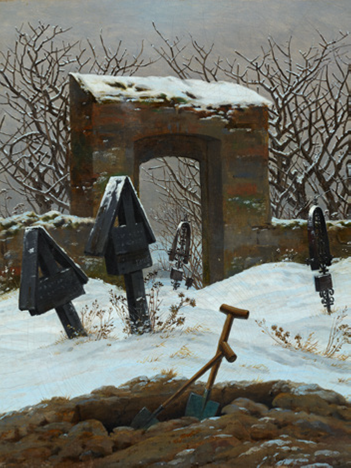
“Funerals aren’t for dead people. They’re for the living.” – Angie Thomas
On a sombre October evening, 24 members of the CP community gathered to attend a presentation on funeral planning by Helen Baumer, a registered celebrant. Her insights offered a valuable perspective on how we can reduce the psychological burden on our loved-ones after we pass, and how planning ahead can help ensure that the grieving process is as compassionate and personal as possible.
Personalized Funeral Planning
Helen emphasized the importance of a personalized funeral service, which can serve as an emotional anchor for the surviving family and friends. A celebrant helps individuals and families craft a ceremony that reflects the life of the deceased and gives comfort to the bereaved. It might include meaningful stories, symbolic gestures and custom blessings, for example, all of which can be discussed and agreed in advance.
The Process of Final Departure in Basel
The formalities of death in Switzerland vary from canton to canton and Helen’s talk focused specifically on Canton Basel-Stadt. When somebody dies, a registered medical practitioner must issue a formal confirmation of death that includes the presumed cause. If the cause is unclear, the police become involved (as would the coroner’s office in the UK), and further investigation may be required.
Residents of Basel-Stadt are entitled to a free burial service, including coffin or urn, as long as the undertaker, Wicky & Partner Bestattungen, is notified within 48 hours and the burial takes place within seven days. Apparently around 90 per cent of people in Switzerland opt for cremation, while those who wish to be interred can choose between a communal burial site (a lawn or the shade of a large tree) and an individual plot.
Flexibility in Ceremony Locations and Ashes Disposal
The ceremony itself can take place in almost any location with few restrictions on what can be done with the ashes after cremation in Switzerland. One of the attendees shared an intriguing request: to have her ashes released in a colourful firework display. While this could present some technical challenges, it is, in fact, permissible, as long as the event does not cause public disturbance.
Administrative Tasks and Documentation
While the paperwork that has to be taken care of following a death can be daunting, Helen stressed that support is available. Pro Senectute offers a package called “Docupass,” containing all the documents needed for end-of-life matters. Guidance for individuals with relatives outside Switzerland is available through Dimovera and Swisscom has a short YouTube video providing advice on preparing our digital legacy.
There are also many things that we ourselves can and should do to ease the burden on surviving family members. These include organizing key documents such as wills, bank accounts, investments, tenancy agreements and powers of attorney, making a note of where they are stored and ensuring that any passwords that may be needed are known or can be accessed.
Conclusion
Helen Baumer’s presentation provided important food for thought on how to plan for the inevitable. Ultimately, of course, funerals are for the living. The ceremony provides a space for grief and healing, offering comfort and emotional support to those left behind. By preparing ahead of time, therefore, we can make the process smoother for our loved ones, even while ensuring that our final farewell is a meaningful and compassionate reflection of our life.
Written by Colin Hughson
Share the Post:
Recent Posts
Categories
- Article (3)
- Basel news (3)
- Behind the scenes (1)
- Board meeting summaries (12)
- Centrepoint news (3)
- Event report (6)
- In the spotlight (1)
- Other events (2)
- Swiss news (2)
- Talks & workshops (2)
- Trips & tours (3)
- Uncategorized (2)
- Volunteer of the month (4)
- Volunteer vacancy (3)